

From Poor to Prime: Step-By-Step Strategies to Rebuild Your Credit Score
Before you rebuild your credit, you need to understand what caused the drop. Missed payments, high credit card balances, collections, or defaulted loans all leave marks. Each has a different impact, and some linger longer than others. Pull your full credit report from all three major bureaus. Check for errors. Review account history. This gives you a clear view of where you stand and what needs attention. No step forward is possible without knowing what’s behind you.
Start With On-Time Payments
 Payment history is the most important factor in your credit score. Even a single late payment can hurt. Going forward, your first goal is to pay every bill on time, with no exceptions. Set reminders. Use automatic payments if needed. Whether it’s your credit card, car loan, or phone bill, consistency matters.
This simple step has a powerful impact over time. It builds trust with lenders and shows you’re managing your finances responsibly. The longer you go without a missed payment, the more your score improves.
Tackle Credit Card Balances
Credit utilization is the second-biggest influence on your score. That means the percentage of your available credit you’re using. Maxed-out cards signal risk. Ideally, you should keep balances under 30% of your limit. But lower is better. Start by paying more than the minimum. Focus on the smallest balance or the card with the highest interest. As your balances drop, your score will likely rise. This step doesn’t require new accounts, just better use of the ones you have.
Avoid New Debt While Rebuilding
While it might be tempting to open a new line of credit to improve utilization, doing so too soon can backfire. Multiple hard inquiries can drag your score down. Focus on improving the accounts you already have. Avoid new loans unless necessary. Lenders look for stable patterns. If you apply for several new accounts during a rebuilding period, it can signal financial stress. Rebuilding is about patience and control, not quick fixes. Stick with what you have until your profile strengthens.
Consider a Secured Credit Card
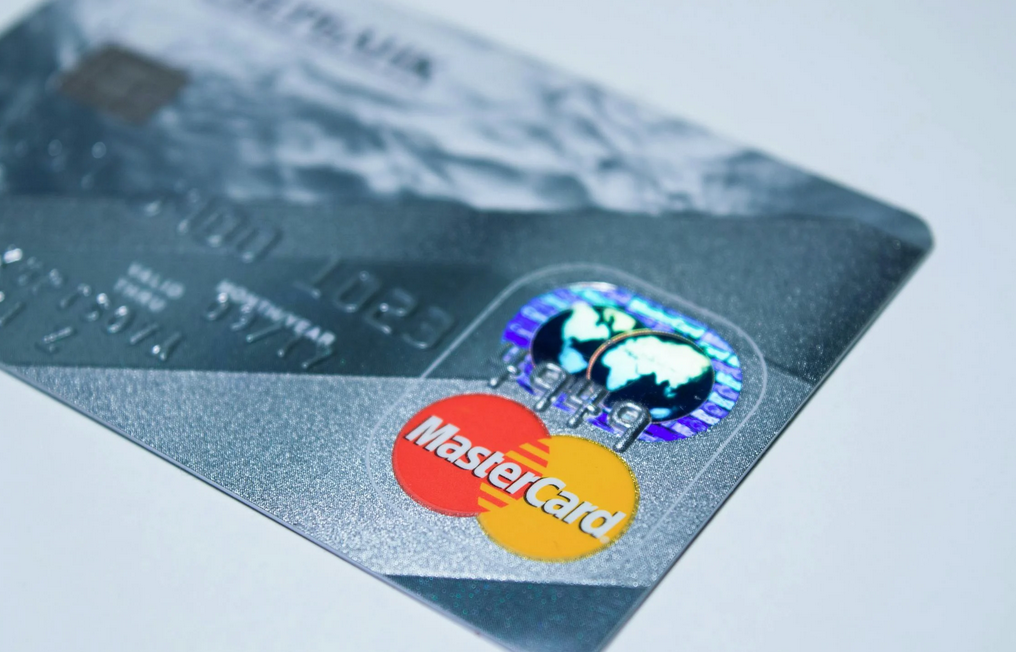
If your credit is too low to qualify for traditional cards, a secured card may help. These cards require a cash deposit but function like regular credit cards. Your usage and payments are reported to the credit bureaus. That reporting is what helps your score. Use the card for small, regular purchases and pay it off every month. Over time, this creates a positive payment record. Eventually, you may qualify for unsecured cards or better loan terms. It’s a simple, controlled way to rebuild credit from the ground up.
Dispute Any Errors on Your Report
Credit reports often contain mistakes. Accounts may be listed more than once, payments may be incorrectly marked late, or balances may be outdated. These errors can drag your score down. File disputes directly with the credit bureaus. They’re required to investigate and respond, usually within 30 days. Fixing just one error can boost your score. Make this part of your routine: check your reports at least once a year. Accuracy is essential, and you have the right to ensure your report reflects your actual history.
Improving your credit score is a process, not a quick fix. It takes discipline, awareness, and smart decisions. Every on-time payment, every reduced balance, and every correction you make contributes to your progress. The most important thing is to start and to keep going. With the right steps and a consistent approach, you can turn poor credit into something far more powerful. Rebuilding isn’t just about numbers. It’s about proving to yourself and to lenders that you’re in control. And with that control comes greater financial freedom and opportunity, something truly unique and worth the utmost effort.…

 Late payment of utilities, rent, phone, loans, subscriptions, and other services can affect your credit score. More so, when you are 30 days late with your credit card. Your card issuer will likely report you to credit bureaus, resulting in a drop of your credit score.